



9,926

Mr. Will Wong
Official Fan Page for Toronto Entertainment & Food Personality Mr. Will Wong, multi-award winning Blogger and Photographer.
X: @mrwillw
Instagram +TikTok: mrwillwong

Enter for a chance to win run-of-engagement pass, valid for use at any Cineplex theatre, to see Taika Waititi's #KlaraandtheSun during its theatrical run.![]()
![]() "Like" this post for an entry, comment your city and tag a friend you're taking. Multiple entries allowed. You must be following.
"Like" this post for an entry, comment your city and tag a friend you're taking. Multiple entries allowed. You must be following.![]()
![]() Details: mrwillwong. com/klaraandthesun
Details: mrwillwong. com/klaraandthesun![]()
![]() @sonypicturescanada release KLARA AND THE SUN 10.23.26.
@sonypicturescanada release KLARA AND THE SUN 10.23.26.![]()
![]() @thetarogroup
@thetarogroup![]() @klaraandthesunmovie
@klaraandthesunmovie![]()
![]() #WIN #KLARAANDTHESUN #GIVEAWAY #JENNAORTEGA
#WIN #KLARAANDTHESUN #GIVEAWAY #JENNAORTEGA
Enter for a chance to win passes to an Advance Screening of WICKER in Toronto on 10.21.26.![]()
![]() Details: mrwillwong. com/wicker
Details: mrwillwong. com/wicker![]()
![]() "Like" this post and tag a friend you're taking in comments. Multiple entries permitted.
"Like" this post and tag a friend you're taking in comments. Multiple entries permitted.
Enter for a chance to win a digital download of SPIDER-MAN: BRAND NEW DAY! AVAILABLE ON DIGITAL OCTOBER 6, 2026 AND ON 4K UHD, BLU-RAY & DVD DECEMBER 15, 2026.![]()
![]() We are giving away digital copies of the #1 domestic movie of all time!
We are giving away digital copies of the #1 domestic movie of all time!![]()
![]() "Like" this post for an entry, tagging 1 friend who loves SPIDER-MAN as much as you!
"Like" this post for an entry, tagging 1 friend who loves SPIDER-MAN as much as you!![]() Multiple entries allowed. Codes are for use in Canada only. You must be following.
Multiple entries allowed. Codes are for use in Canada only. You must be following.![]()
![]() Details: mrwillwong. com/spidermanbrandnewday2/
Details: mrwillwong. com/spidermanbrandnewday2/![]()
![]() #SpiderMan #SpiderManBrandNewDay #win
#SpiderMan #SpiderManBrandNewDay #win

tiff
#TIFF22: TAYLOR SWIFT TO APPEAR AT 2022 TORONTO INTERNATIONAL FILM FESTIVAL
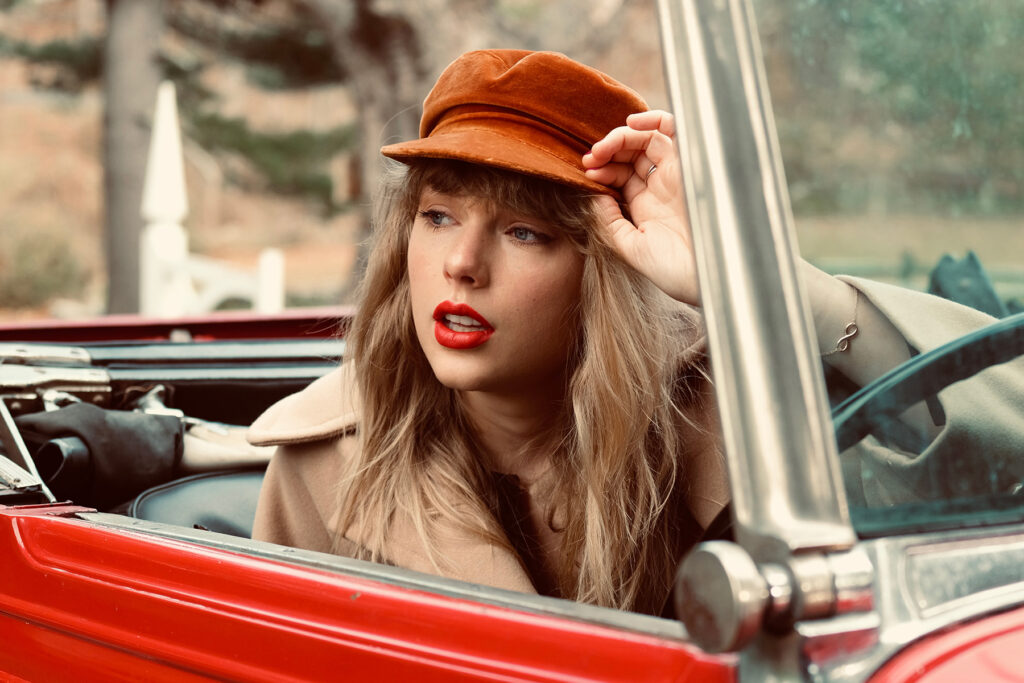
TIFF is thrilled to announce a special In Conversation With… Taylor Swift on Friday, September 9, at 7pm at TIFF Bell Lightbox as part of the 47th annual Toronto International Film Festival. Swift will introduce the first-ever screening of All Too Well: The Short Film on 35mm, and join TIFF CEO Cameron Bailey in an engaging conversation about filmmaking and the visual aspects of her music.
“We love the intersection of film and other art forms, and Taylor Swift is a brilliant visual thinker,” said Bailey. “We’re excited to hear Taylor’s version of how absorbing influences from cinema led to her creating All Too Well: The Short Film, which we’ll present in its original 35mm form for the first time at TIFF.”
Swift is a creative powerhouse. Singer, songwriter, producer, actor, director — this multi-hyphenate artist is the only woman in history to win the Grammy Award for Album of the Year three times, tying for the most wins by any artist (alongside Frank Sinatra, Stevie Wonder, and Paul Simon), as well as earning prizes in eight other categories. In addition to music, Swift has long been a visual storyteller. From influencing the edits of her music videos, to writing the treatments herself and then making the jump to director, she has defined a distinct style that extends out of her songwriting. In 2021, she released re-recordings of Fearless (Taylor’s Version) and Red (Taylor’s Version), her acclaimed second and fourth albums, as an act of reclamation and creative empowerment. The latter release was followed by All Too Well: The Short Film, which she directed, wrote, produced, and appeared in.
This year’s In Conversation With… series connects audiences and film lovers around the world with some of the most talented artists working today. The 2022 lineup includes award-winning actors and creators who have helped shape the discourse in the entertainment industry.
Tickets for this special In Conversation with… will go on sale to TIFF Members beginning September 3, with remaining tickets on sale to the public on September 5 at tiff.net/tickets. Industry pass holders and accredited press pass holders with public ticket allocations will be able to secure tickets in advance and on the day of the event.
(Photo credit: Universal Music)
#TIFF22: TIFF INSIDERS’ PANEL – TENTH ANNIVERSARY EDITION
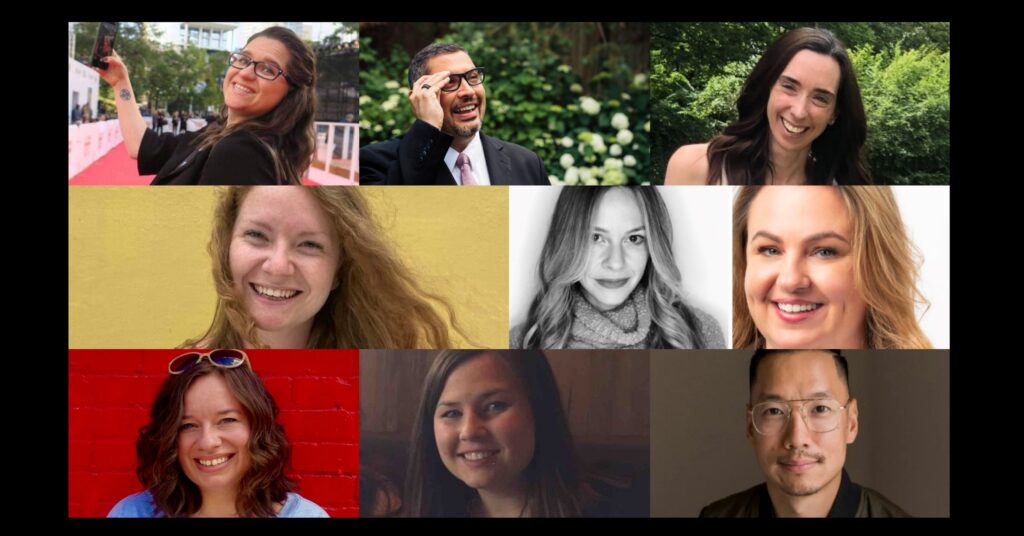
It’s been ten years since we’ve done a TIFF Panel with our industry friends and experts. What better way to ring-in what is being touted as a huge Festival this year, than with those who know best?
We wouldn’t be where we are today without the help of friends we’ve made over the years. In starting out back in 2009 without any other vision for our little Blogspot page other than sharing our love of Film, Stars and the Toronto International Film Festival, the biggest reward from all of this has been the friendships and partnerships we’ve built.
With the help of our friends in the Film Distribution community here in Canada, we’ve been able to grow, gaining access to the opportunities and content that enables us to build those connections with Readers and Followers, existing and new. How else would we know about upcoming titles and initiatives if it weren’t for well-executed Publicity and Promotion strategies? Those in Communications, Publicty and Promotions are an integral part of a title reaching its eventual audience. It’s not only about having a strong product. That’s only a part of it. It’s about creating that awareness and buzz so that the product gets seen and connected with audiences.
In the thick of those TIFF junkets, red carpets, press stops and star sightings are those in Communications, Publicity and Promotions, who orchestrate the execution behind the scenes. But what is it really like behind the scenes? And how do these talented, hardworking individuals behind the talent survive the madness that is the Toronto International Film Festival?
We’ve witnessed so many changes in the landscape of Film since we got our start in Blogging. And it is a continual evolution. We’ve been through a pandemic and navigated it, seen the emergence of streaming and even the migration of the Festival to a central hub in TIFF Bell Lightbox and Entertainment District. So many memories.
We survey our Insiders, who come into TIFF ’22 with a variety of experiences, backgrounds and tenures in the industry. We ask them about some of their most memorable TIFF experiences of the past, panic-inducing moments, what they’re working on at this year’s Festival and more.
We learn what it feels like to learn the star you’re working shows up to a premiere unexpectedly; what to do when you have scheduling challenges, or a star is already late for their next obligation but hasn’t even met with all the outlets and interviews you secured. Also, what does it feel like to be sandwiched in an elevator between Julia Roberts and Natalie Portman? Or how do you sneak Brad Pitt out of a building?
Read on of this sounds intriguing to you! I know you’re staying put!
ROBYN MOGIL & TAMAR GIBBERT – TARO PR & COMMUNICATIONS

Please tell us about yourself and your background in the industry.
Robyn: Robyn Mogil, 23 years in the Entertainment Industry and Partner and Co-founder of TARO PR & Communications. I started my career in production on movie sets, moved in house to manage the Publicity for Walt Disney Studios (eight years), moved onto Warner Bros. Pictures Canada (three years) in Publicity, and then co-founded TARO with Tamar Gibbert in 2013. Nine years later, with many staff and studio and independent clients, we are now one of the largest Entertainment Communications firms in Canada (with a focus on all Communications/Traditional Media, Personal, Publicity, Entertainment Recruiting, Digital, Social). We have executed hundreds of campaigns for leading Movies, Actors, Television, Streamers, Immersive experiences, Film Festivals. The list goes on.
Tamar: I’ve been connected to and working in film and television in some capacity on and off, for over 30 years. As a child actor, I spent a lot of time on film and television sets and was amazed by the undertaking of bringing a script to life. Years later, after an honours degree from the Faculty of Information and Media Studies at Western University, I began a career in corporate events, eventually moving into marketing and publicity. Robyn and I connected, clicked instantly and decided to collaborate on a freelance client through a film partnership opportunity. Nearly a decade later, and literally hundreds of film/television/events campaigns later, here we are, running one of the most successful entertainment focused communications agencies in the country.
What was your most memorable TIFF moment of all time?
Robyn: I personally love watching our team grow and have experiences of their own but I know this piece is about my actual TIFF experiences. There are so many after doing what I do for so long. Ones that stand out are working with such excellent talent in the industry (Ryan Reynolds, Claire Danes, Cate Blanchett, Spike Lee, John Goodman, Kenny Ortega, Hugh Jackman etc). Kenny Ortega taught all of us to dance at a dinner party. Also watching this small little film called Moonlight (which was a small little film during TIFF) go on to win Best Picture at the Oscars.
Tamar: There are SO many, but one stand out was The Sisters Brother premiere in 2018. The stars of the Film decided they didn’t want to wait for the barricade to open for us on King Street, so they decided to get out of the car and walk through it, the other ten cars worth of talent we had behind us followed suit and we all walked up to the red carpet of the theatre together on-foot. The street was packed with fans but they didn’t notice that we were walking up the street until we hit the door, the crowds went wild. It was certainly an unconventional arrival to the red carpet but it was certainly fun and definitely unforgettable!
Tell us about one of your ‘scariest’ behind-the-scenes TIFF moments ever.
Robyn: The general public sometimes gets wacky when they see people who are famous. What stands out is almost being run over by a car during one of our world premieres. Also a woman raising her baby in the air, and cars running by just to get close to an A-list actor. Fans trying to showing up in places where we never thought they would. The security is very tight to protect everyone involved.
Tamar: We were working with a very talented actor who was being a little bit more difficult. They did not want to do a press photo that was important for the Film. He had changed representation a few days prior to TIFF and we’d had the photo pre-approved by their Publicist. In the middle of a film party, we renegotiated the photo op with their new publicity team, but had to change locations on the fly. Within minutes, our mighty team had to move a backdrop, lighting and red carpet to the back entrance and grab two police officers to temporarily hold traffic so we could get them in and out as quickly and safely as possible. We got the photo!
What survival snacks or essentials do you carry with you?
Robyn: A wrapped boiled egg (protein, easy and quick), Lara Bars, my mobile phone with two chargers, Heili Rocks Jewellery to go from day to night, red lipstick to help the look of not being tired, Listerine dissolvable as there are a lot of conversations, and a photo of my hubby and children to keep me in line and in-check.
Tamar: Protein bars, gummy vitamins, eye drops, breath mints, mascara, lipgloss & cover-up, safety pins, Sharpies, phone charger!!!
Tell us about what you’re looking forward to most at TIFF ’22?
Robyn: Everything. Being back in person. Seeing all of our clients face to face (for those who travel from outside of Toronto, US and International), building the strategies, watching our whole team shine from months of work they have prepared for, the actual movies, the red carpets, press conferences, the parties. The whole experience and then watching some films go on to win awards. The big studios and independent films.
Tamar: We have a strong and talented team at TARO and watching the months of hard work and planning pay off ten-fold is always exhilarating as an agency owner.
CLAIRE PEACE-MCCONNELL – VVS FILMS
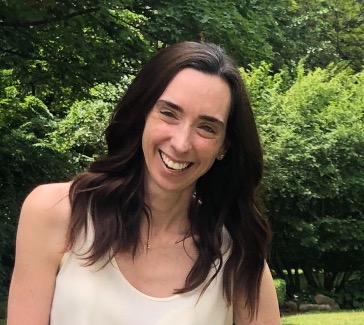
Please tell us about yourself and your background in the industry.
Claire: I have been working in Film for over 15 years. I began my career at TIFF and The Kingston Canadian Film Festival and was later lucky enough to get an internship in film publicity at Odeon Films. I have been in the field ever since. I’ve always worked with Canadian Distributors because I love that side of the industry. I’ve had roles at Odeon Films, Alliance Films, eOne and now VVS Films where I’ve just accepted an expanded role of Head of Public Relations and Canadian Content Development.
What was your most memorable TIFF moment of all time?
Claire: I’ve been fortunate to work on some amazing World Premieres at TIFF. Every now and then a high-profile film arrives at TIFF and just a handful of key people have seen it, and are often sworn to secrecy. The energy that fills a theatre on the night of these premieres is something you never forget. It’s a perfect blend of excitement to see something ground-breaking with a hint of fear that it won’t live up to expectations. INSIDIOUS and I, TONYA are premieres I will never forget. When those films finished playing, the audiences went wild. You feel like you are a part of a major cinematic moment.
Tell us about one of your ‘scariest’ behind-the-scenes TIFF moments ever.
Claire: Publicists are juggling many films and talent at one time. Our brains can get a little foggy and sometimes self-doubt creeps in!
One year I was at a red-carpet premiere at Princess of Wales and a car pulls up and out steps an actress I had in town…an actress who had a premiere at the Princess of Wales the NEXT DAY. She was in full glam, evening gown, the whole nine yards. When I saw her, my heart stopped thinking I had mixed up the dates on her schedule and sent her to the wrong premiere. She posed for photos on the carpet, and as she passed by me, said “so and so (the lead actor of the film playing that evening) invited me so I decided to come”. I think she could see the fear on my face.
Truly the scariest is what we Publicists can’t fully control (although we try!) – flight delays, traffic delays, Rotten Tomatoes ratings, and talent that won’t get out of bed.
What survival snacks or essentials do you carry with you?
Claire: Water and a cell phone charger are really all you need!
Tell us about what you’re looking forward to most at TIFF ’22?
Claire: Film wise, absolutely The Fabelmans. Steve Spielberg is the reason I love Film. I even named my son Elliott after the boy in E.T.
Mainly though, I am so excited to see my friends and colleagues back in their happy place. Us Publicists come to life during this time of year and I can’t wait to see everyone shine!
KATE PARKES – ELEVATION PICTURES
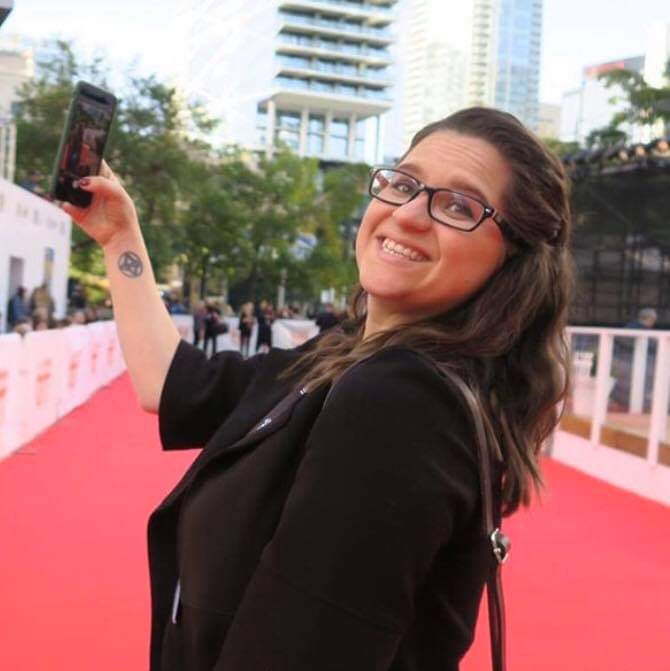
Please tell us about yourself and your background in the industry.
Kate: I have been working in Film since 2008, my first PR and Promotions job was at Walt Disney Canada and the first film I worked on was Spike Lee‘s Miracle at St Anna. After the first day, I was hooked. Since then, I worked at Alliance Films, eOne, Rock-It Promotions, and now work for amazing Canadian Distributor, Elevation Pictures.
What was your most memorable TIFF moment of all time?
Kate: One of the first talent whom I walked solo with, was the Director of THE KING’S SPEECH. The premiere was at Roy Thomson Hall and I remember clearly sitting in the front of the SUV and rounding the corner to the massive crowd of fans and photographers. I helped his door open and assisted him with where to go and helped him navigate the carpet. It was great. It was amazing and unforgettable.
I would also say securing the one exclusive Canadian J.Lo interview with Etalk when Hustlers premiered here was epic as well.
Tell us about one of your ‘scariest’ behind-the-scenes TIFF moments ever.
Kate: When at Alliance Films, I was working a press day with Laila Rashwan (now at Touchwood PR) for the film Silver Linings Playbook. We were an hour behind and Bradley Cooper had to leave for his Place Beyond the Pines press day, and we had to come up with a quick solution – which ended up compiling all of the press for a mini press confernece. I ended up moderating and then realized how hard that is. It was both thrilling and scary a the same time!
What survival snacks or essentials do you carry with you?
Kate: Greenhouse Juice Co. juices are my go-to drinks when I am at TIFF. So many charcuterie boards during the Fest and it’s one way to get your veggies and fruit.
Tell us about what you’re looking forward to most at TIFF ’22?
Kate: First off, thrilled that TIFF is back in-person! We have 11 titles this Fest and really exicted to get back into it. Its always great to show our Canadian titles and this year Alice Darling, Brother, Black Ice, Bones of Crows, North of Normal and Something You Said Last Night are all Canadian features that will have their world premieres!
JENSEN ADAM LEE – CREATIVE & DIGITAL MARKETER

Please tell us about yourself and your background in the industry.
Jensen: I’m Jensen, a Creative & Digital Marketer working in the distribution game — this will be my 14th TIFF working in this industry. I’ve worked with several of the largest independent film companies in Canada including eOne Films, Mongrel Media, Vortex Media and Elevation Pictures. I started as a Graphic Designer at Maple Pictures (the former Canadian arm of Lionsgate).
What was your most memorable TIFF moment of all time?
Jensen: Working the red carpets in TIFF ’11 at Alliance Films and meeting George Clooney, Ryan Gosling, then unknown Oscar Issac and Olivia Wilde.
Tell us about one of your ‘scariest’ behind-the-scenes TIFF moments ever.
Jensen: Don’t know if I have a ‘scariest’ behind-the-scenes TIFF moment, but I had a panic attack trying to get rapid tests booked at any pharmacy last year during the Festival, when it was a requirement.
What survival snacks or essentials do you carry with you?
Jensen: Protein bars, especially running to and from back-to-back screenings
Tell us about what you’re looking forward to most at TIFF ’22? And yes, feel free to plug a title you’re working on if it’s possible at all.
Jensen: I’m really looking forward to the magic of a full in-person Festival after two years mostly apart. I feed off the energy of a full theatre. Films I’m most looking forward to (that have been announced): The Woman King, My Policeman, Brother and Park Chan-wook’s Decision to Leave.
BRIANNA HURLEY – TARO PR
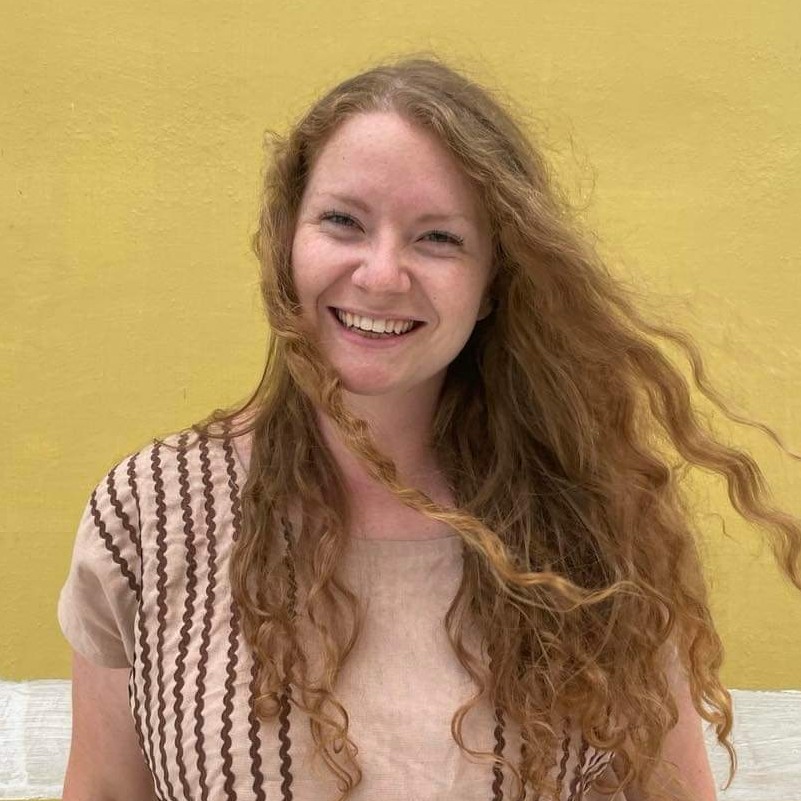
Please tell us about yourself and your background in the industry.
Brianna: I’m the Director of Publicity at TARO PR & Communications, based in Toronto. I’ve been working in the Film and Television industry as a Publicist for the past seven years. For every step of a film’s journey, I have worked on the PR + Strategies- from production to festivals to theatrical releases to its Digital/DVD release! I’ve worked on some incredible award-winning films and TV series throughout the years, and my most rewarding moments have always been when I’m able to help use my talents to bring to light important stories and voices and shine a spotlight on them.
What was your most memorable TIFF moment of all time?
Brianna: Working with Julia Roberts was an absolute highlight of my career. She is one of the reasons I fell in love with movies in the first place. I spent the day with her a few years back while she was in town promoting her film Ben is Back with Kathryn Newton, who will soon be in the new Ant-Man movie. I was also working with Natalie Portman that year for Vox Lux and we happened to run into her in the hallway at the Intercontinental Hotel, waiting for the elevator. Next thing I know, I’m crammed on an elevator between Julia Roberts, Natalie Portman, Kathryn Newton and their security and agents. Kathryn and I looked at each other and you could tell we were both thinking – wow, this is insane!
Tell us about one of your ‘scariest’ behind-the-scenes TIFF moments ever.
Brianna: I was working with an actor who had a tuxedo malfunction the day of their film premiere. Long story short, we somehow managed to arrange for a brand new suit to be fitted for them and tailored in time for their premiere and managed to get a room at the Ritz for them to change minutes before their red carpet debut. It was a lot of running around, some calls in for favours and definitely some luck!
What survival snacks or essentials do you carry with you?
Brianna: Honestly, my best means of survival during TIFF is having amazing coworkers (see Robin and Tamar above) that make sure I eat and bring me snacks. I don’t know what I’d do without their thoughtfulness! (Actually I do, and the answer involves tears and hanger. It’s not pretty!) I am rarely found without my trusty black clipboard, a Sharpie and an extra phone battery.
Tell us about what you’re looking forward to most at TIFF ’22?
Brianna: We’re back, baby! So excited to see everyone in person and to step out from my Zoom screen. Looking forward to reconnecting with the Journalists and Film Critics, Actors and Directors, Publicists, TIFF staff, volunteers, fans. The city feels a little more magical during TIFF, and despite the stress and lack of sleep, I am always sad when it ends.
STEPHEN SHINN – SHINN COMMUNICATIONS
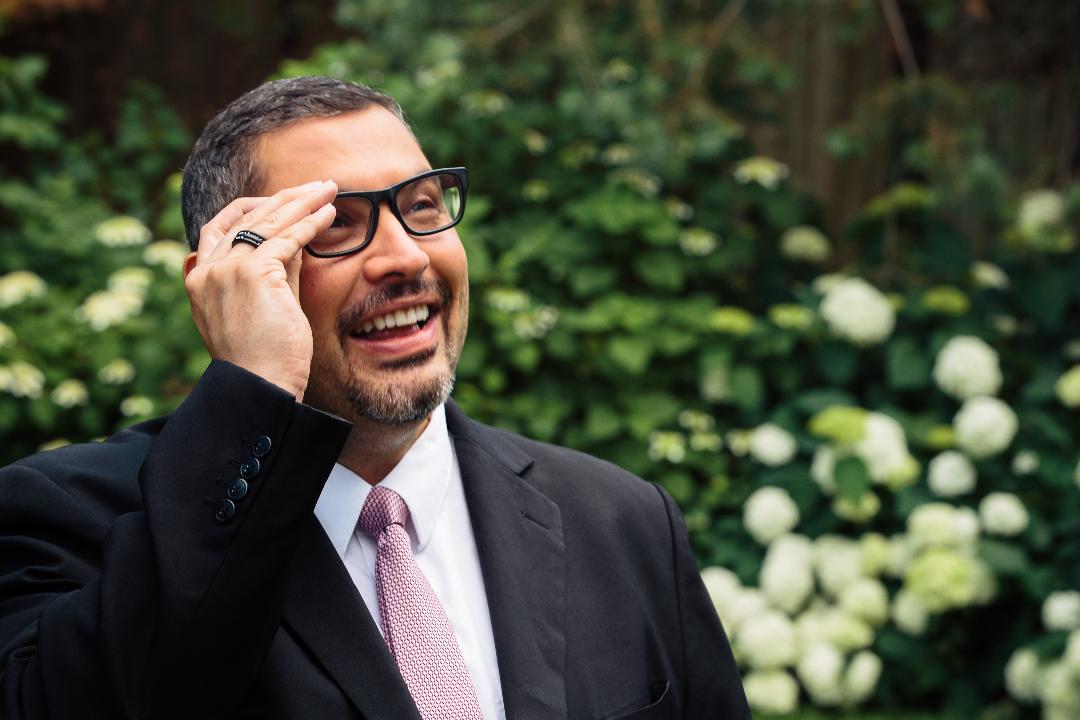
Please tell us about yourself and your background in the industry.
Stephen: I’m proud to say I’ve had many successes over the past two decades working in the Communications and Entertainment industries: from ground-breaking PR strategy creation and campaign execution, to managing large scale special events, to producing some of North America’s most highly acclaimed theatrical programs. I’ve built trust as an advisor to my clients, colleagues, and industry leaders.
I’ve played an integral role in rolling out top-notch campaigns for the likes Paramount Home Media Distribution, Paramount Global, Paramount+ Streaming, Shoppers Drug Mart, Diesel Clothing, Dualstar (Mary-Kate and Ashley Olsen), The Las Vegas Convention and Visitors Authority, Novotel Hotels, Atlific Hotels and Resorts and more. I’ve also managed special events for one of Canada’s major symphony orchestras, and performing arts and corporate events for Massey Hall and Roy Thomson Hall. In terms of artists, I’ve worked closely with the likes of Tony Bennett, Cecilia Bartoli, Bryn Terfel, Brad Pitt, Cameron Diaz, Martha Stewart, Aretha Franklin, Lauren Bacall, Dame Julie Andrews, Erin Brockovich, Carol Burnett, Whoopi Goldberg and Rosemary Clooney. I served as the VP of Programming for the Unique Lives & Experiences Women’s Lecture Series, and co-produced Eve Ensler’s smash hits “The Vagina Monologues” and “The Good Body,” as well as “The Women in Comedy Series”.
Fun fact: I actually have a professional classical singing background (Bachelor of Music Performance, University of Western Ontario, Banff Centre for the Performing Arts and University of Toronto Opera School). I sometimes will bust out a tune or two for very special occasions!
What was your most memorable TIFF moment of all time?
Stephen: One of my earliest and most memorable moments – there have been SO many! I remember, when I was still working with Roy Thomson & Massey Hall and Seven Years in Tibet with Brad Pitt premiered at TIFF. We still had a relatively short red carpet compared to the massive stretches of red sea we now see. We had all expected that there would be a large turn out to catch a glimpse of Brad Pitt as he entered the premiere – but no one could have imagined the throng of fans that did show up! These were the days before Social Media! LOL The challenge became getting Brad in and out of the building in time for the stage party to appear prior to the screening and getting him out afterwards! Can’t reveal those security secrets though.
Helping plan the opening party for The Red Violin and closing party for ANTZ with ‘Party’ Barbara Hershenhorn in 1998 – invaluable learning experience for me – we are great friends all these years later.
Handling the TIFF PR for my client and now dear friend, Kreesha Turner, for King of the Dancehall with Nick Cannon in 2016 – a very fun Festival! Illeana Douglas in Grace of My Heart ,The Old Days – screening films at tech check RTH – then working all day, attending receptions, working both gala screenings and meeting friends and colleagues at after parties – then starting it all again the next morning! Not much sleep in those days!
Tell us about one of your ‘scariest’ behind-the-scenes TIFF moments ever.
Stephen: ‘Scary’ isn’t quite the word but there are always those moments where you hold your breath a little bit – whether it’s the arrival of a celebrity at a gala premiere red carpet when the clock is counting down or if someone asks a question that may be a tad awkward. During the party we planned for Diesel in 2004 at the corner of Avenue and Bloor, having the Church of the Redeemer doors open at just the perfect time and with ethereal, heavenly lighting streaming out to call party goers in from the height of their cocktailing to watch a moving performance from Angie Stone! The entire church rocked!!
What survival snacks or essentials do you carry with you?
Stephen: I always try to have a protein snack, granola bars in my bag for times when you just can’t take the time to grab a bite!
Tell us about what you’re looking forward to most at TIFF ’22?
Stephen: I’m looking forward to having all my Paramount+ colleagues and friends in town as we work on the premiere of Sanaa Lathan‘s On the Come Up for Paramount+ at TIFF ’22!
ANGIE BURNS & ALLY LA MERE – ROUTE 504 PR
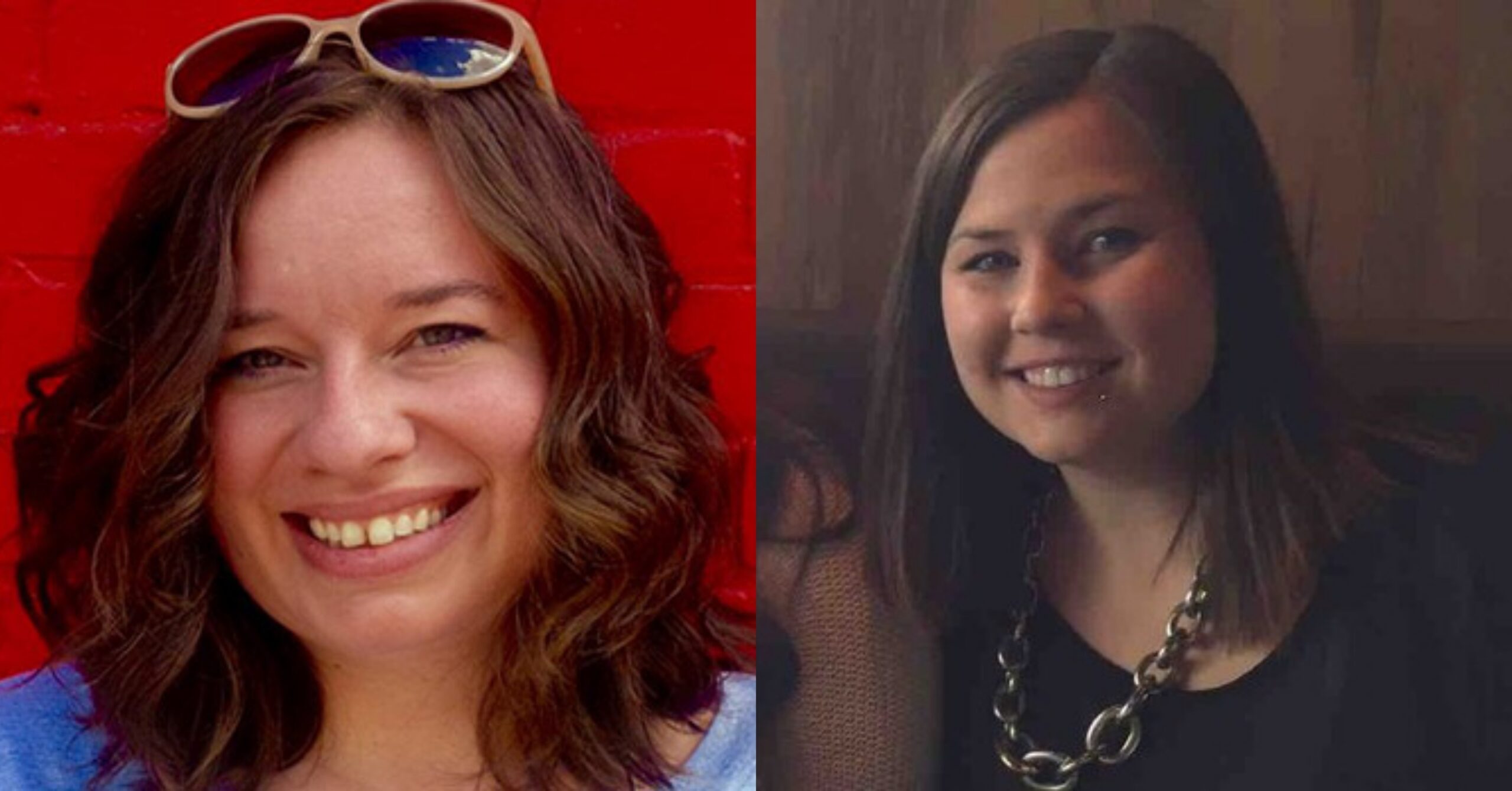
Please tell us about yourself and your background in the industry.
Angie & Ally: We’re Angie Power and Ally LaMere-Shedden are partners at Route 504 PR. Combined, we have over 30 years of experience in film publicity, ranging from on-set work to festival and through to distribution and theatrical releases.
What was your most memorable TIFF moment of all time?
Ally: I know the typical answer to this is some glitzy glamour moment, but I’m a huge scheduling nerd. My favourite TIFF moment was in 2019 when the stars aligned and our schedules came together perfectly. Angie and I were working on nine films that year – that’s nine premieres, nine afterparties, 18 press and industry screenings and nine press blocks. We had to figure out how to be in multiple places at once but the moment when we finalized our personal schedules and everything fit into the schedule perfectly was a moment I still drool over.
Tell us about one of your ‘scariest’ behind-the-scenes TIFF moments ever.
Ally: We had a Director, who shall remain nameless, show up to the festival with the Film in hand and no one had seen the Movie yet! We didn’t know what we were walking into at the premiere and I remember laughing with a colleague saying, “Well, let’s see how this goes! Could be great, could be terrible! Buckle up!”.
What survival snacks or essentials do you carry with you?
Angie & Ally: A small sewing kit, deodorant, a light powder for touchups, bandaids, a power bank with lightning and USB-C chargers and a black Sharpie.
Tell us about what you’re looking forward to most at TIFF ’22?
Angie & Ally: We’re working on so many great titles this year from THE YOUNG ARSONISTS, STELLAR, SOMETHING YOU SAID LAST NIGHT, THE SWEARING JAR and THE END OF SEX. But the moment we’re really looking forward to is looking at the finalized schedule the day before the Festival hits….and the Fantasia Karaoke Party, because it slaps!
The 2022 Toronto International Film Festival runs September 8-18, 2022. Check back daily as we bring you all the updates, reviews and sightings!
Don’t forget to tune-in to CP24 this weekend – both Saturday and Sunday (September 3-4) as we highlight the newest hotspots for TIFF this year, and also our most anticipated Films and Stars! This will be followed by an apperance on CP24 Breakfast next Friday (September 9) in the 8 o’clock hour! We also will be featured in The Toronto Sun this Sunday.
#TIFF22: SANAA LATHAN’S “ON THE COME UP” TO PREMIERE AT 2022 TORONTO INTERNATIONAL FILM FESTIVAL
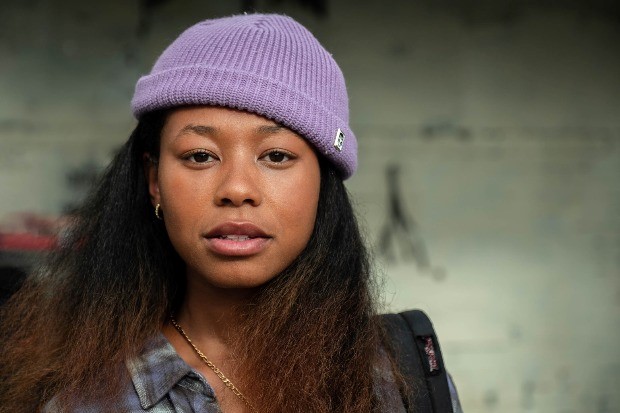
More amazing TIFF ’22 news! Sanaa Lathan‘s ON THE COME UP will be premiering at this year’s Festival as a World Premiere! We also have the new Trailer!
Synopsis:
On the Come Up is the story of Bri, a 16-year-old gifted rapper, who attempts to take the battle rap scene by storm in order to lift up her family and do right by the legacy of her father – a local hip hop legend whose career was cut short by gang violence. But when her first hit song goes viral for all the wrong reasons, she finds herself torn between the authenticity that got her this far and the false persona that the industry wants to impose upon her. Based on the NY Times’ #1 best-selling novel by Angie Thomas.
On the Come Up stars Jamila C. Gray, Da’Vine Joy Randolph, Lil Yachty, Mike Epps, Miles Gutierrez-Riley, Justin Martin, Titus Makin, Michael Cooper Jr., GaTa with Sanaa Lathan and Cliff “Method Man” Smith. The film is produced by George Tillman, Jr., Robert Teitel, Wyck Godfrey, Marty Bowen, Isaac Klausner, Angie Thomas and Timothy M. Bourne and executive produced by John Fischer.
See the Trailer:
(Photo/video credit: Paramount+)
#TIFF22: MICHELLE YEOH TO RECEIVE TIFF TRIBUTE AWARD
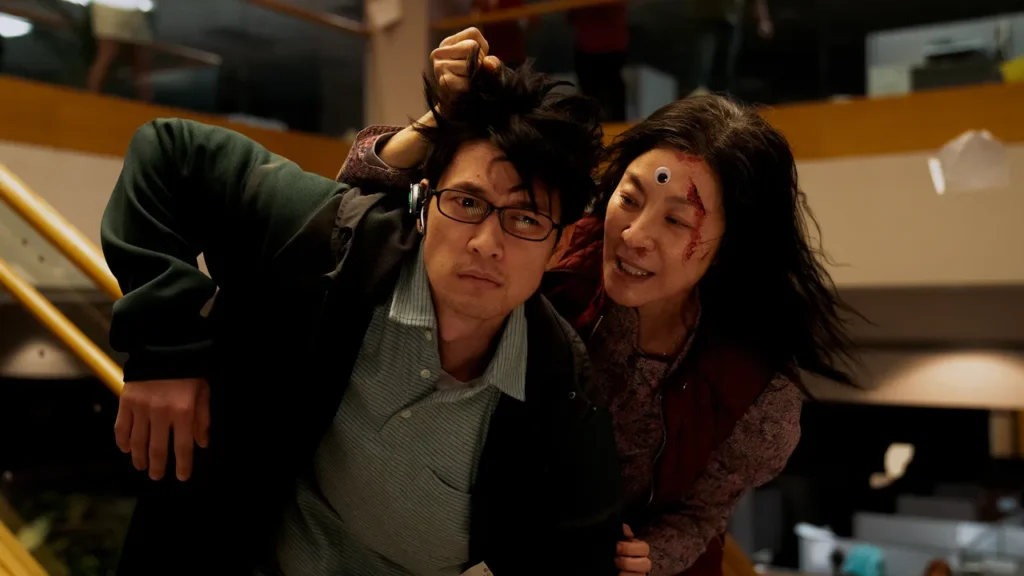
International Screen Icon Michelle Yeoh has never been bigger and this year at TIFF ’22 she will receive a special award at the TIFF Tribute Gala!
Cameron Bailey, CEO of TIFF, is delighted to announce that celebrated actor Michelle Yeoh will receive the inaugural TIFF Share Her Journey Groundbreaker Award presented by BVLGARI. The TIFF Tribute Awards presented by BVLGARI will return to an in-person gala fundraiser during the 47th edition of the Toronto International Film Festival on Sunday, September 11 at Fairmont Royal York Hotel.
“Michelle Yeoh is the definition of groundbreaking,” said Cameron Bailey, TIFF CEO. “Her screen work has spanned continents, genres and decades. This year she delivered a performance in Everything Everywhere All at Once that shows her limitless abilities. We’re so proud to honour her with the Share Her Journey Groundbreaker Award.”
Spanning a nearly 40-year career, Yeoh is one of the most accomplished and versatile actors in the world. She has broken barriers and inspired generations of audiences with her performances, including her most recent lead role in the hit Everything Everywhere All at Once, as well as Crouching Tiger, Hidden Dragon, Tomorrow Never Dies, and Crazy Rich Asians, among others. Everything Everywhere All at Once is distributed by Elevation Pictures in Canada.
“BVLGARI has a long history of championing women, in front of and behind the camera, in the cinematic arts. Supporting this TIFF Tribute Award is a continuation of this legacy of cultivating future talent and their groundbreaking work that enriches the world we live in,” said Jean-Christophe Babin, CEO, BVLGARI Group. “We are thrilled to play such an integral role in the future of women in cinema.”
The TIFF Share Her Journey Groundbreaker Award is presented by BVLGARI and recognizes a woman who is a leader in the film industry and has made a positive impact for women throughout their career. The inaugural award is inspired by TIFF’s Share Her Journey initiative, which was created to address gender parity in the film industry, to champion women at every stage of their creative journey, and to shine a spotlight on women creators making a significant difference in the industry.
Yeoh joins the recently announced list of 2022 TIFF Tribute Award honourees, including Academy Award®–winning Icelandic artist and composer Hildur Guðnadóttir, who will be honoured with the TIFF Variety Artisan Award; Award-winning Welsh Egyptian filmmaker and screenwriter Sally El Hosaini, who will be honoured with the TIFF Emerging Talent Award presented by MGM, acclaimed actor Brendan Fraser, recipient of the TIFF Tribute Award for Performance presented by IMDbPro; Academy Award®–winning filmmaker Sam Mendes, who will be honoured with the TIFF Ebert Director Award; and the ensemble of My Policeman, who will receive the TIFF Tribute Award for Performance presented by Polestar. More information on the 2022 TIFF Tribute Awards event and this year’s honourees will follow in the coming days.
The TIFF Tribute Awards have served as an awards-season bellwether, with past honourees such as Jessica Chastain, Roger Deakins, Sir Anthony Hopkins, Joaquin Phoenix, Taika Waititi, and Chloé Zhao going on to win awards on the international stage. The TIFF Tribute Awards honour the film industry’s outstanding contributors and their achievements, recognizing leading industry members, acting talent, directorial expertise, new talent, and a below-the-line artist and creator. The Awards event also serves as TIFF’s largest annual fundraiser to support TIFF’s Every Story fund, which promotes diversity, equity, inclusion, and belonging in film and TIFF’s core mission to transform the way people see the world through film.
Launched in 2017, and now a permanent initiative as part of TIFF’s broader Every Story fund, Share Her Journey is TIFF’s commitment to address gender parity by broadening opportunities for women at every stage of their careers. To date, TIFF has raised more than $3 million to provide direct support to women along their creative journeys, from inspiration to a finished product showcased on TIFF platforms.
(Photo credit: Elevation Pictures)
#TIFF: Hildur Guðnadóttir & Sally Hosaini to be honoured at 2022 TIFF TRIBUTE GALA
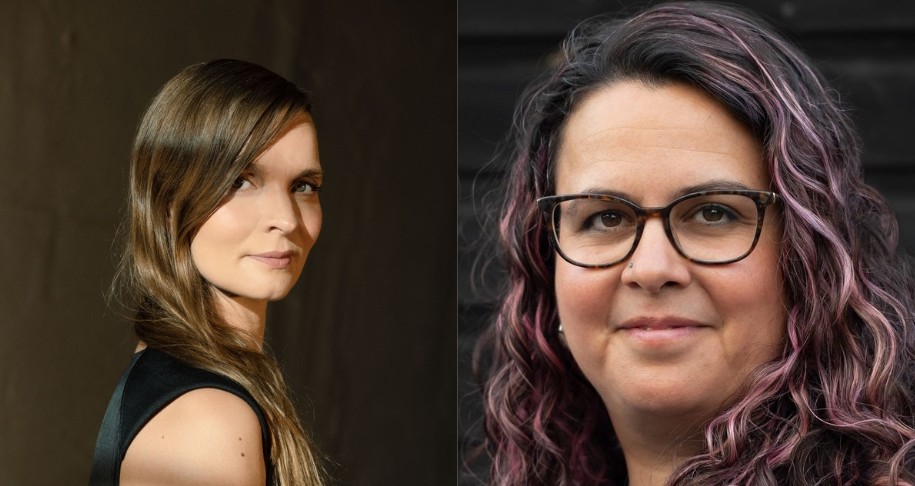
Additional Honourees have been announced for this year’s TIFF TRIBUTE GALA at the 2022 Toronto International Film Festival.
Cameron Bailey, CEO of TIFF, is delighted to announce that Academy Award®–winning Icelandic artist and composer Hildur Guðnadóttir will be honoured with the Variety Artisan Award, and that Award-winning Welsh Egyptian filmmaker and screenwriter Sally El Hosaini will be honoured with the TIFF Emerging Talent Award presented by MGM at the annual TIFF Tribute Awards. Now in its fourth year, the TIFF Tribute Awards presented by BVLGARI will return to an in-person gala fundraiser during the 47th edition of the Toronto International Film Festival on Sunday, September 11 at Fairmont Royal York Hotel.
Guðnadóttir composed the score for Sarah Polley’s highly anticipated film Women Talking, a fearless adaptation of Miriam Toews’ acclaimed novel set in 2010 rural America, where the women of an isolated religious community grapple with reconciling their reality with their faith, starring Rooney Mara, Claire Foy, Jessie Buckley, Judith Ivey, Ben Whishaw, and Frances McDormand. Women Talking from MGM’s Orion Pictures will have its International Premiere at the Festival on September 13 and is distributed by Universal Canada. Writer-director El Hosaini’s The Swimmers, which dramatizes the true story of two sisters who left their home in war-torn Syria for a new life in Europe and the chance to compete in the 2016 Summer Olympics, co-written by multi-award-winner Jack Thorne, will have its World Premiere as the Opening Night Gala Presentation on September 8.
“Both Hildur Guðnadóttir and Sally El Hosaini are singular artists who continue to expand the horizons of their disciplines,” said Bailey. “We’re proud to present TIFF Tribute Awards to Guðnadóttir for her remarkable score for Sarah Polley’s Women Talking, and El Hosaini for directing one of the most urgent, moving films of the year in The Swimmers.”
The TIFF Variety Artisan Award recognizes a distinguished creative who has excelled at their craft and made an outstanding contribution to cinema and entertainment. Previous recipients of the TIFF Variety Artisan Award include Ari Wegner in 2021; Terence Blanchard in 2020; and Roger Deakins in 2019.
“Variety is honoured to be presenting Hildur Guðnadóttir with our annual Artisan Award at the TIFF Tribute Awards,” said Variety co-editor-in-chief Ramin Setoodeh. “We are looking forward to returning to an in-person awards programme at one of the most important festivals in the world. Highlighting Hildur’s work is a testament to Variety’s commitment to celebrating artisans.”
The TIFF Emerging Talent Award presented by MGM, is presented in the spirit of Torontonian Mary Pickford, the groundbreaking actor, producer, and co-founder of United Artists, whose impact continues today. Previous recipients of the TIFF Emerging Talent Award include Danis Goulet in 2021; Tracey Deer in 2020; and Mati Diop in 2019.
“MGM is thrilled to join TIFF in honouring Sally El Hosaini with the 2022 TIFF Emerging Talent Award and championing this harrowing story,” said Chris Brearton, MGM’s Chief Operation Officer.
Guðnadóttir and El Hosaini join the recently-announced list of 2022 TIFF Tribute Award honourees, including Brendan Fraser, who will receive the TIFF Tribute Award for Performance presented by IMDbPro; Academy Award®–winning filmmaker Sam Mendes, who will receive the TIFF Ebert Director Award; and the ensemble of My Policeman, who will receive the TIFF Tribute Award for Performance presented by Polestar. Stay tuned for more information on the 2022 TIFF Tribute Awards event and honouree announcements.
The TIFF Tribute Awards have served as an awards-season bellwether, with past honourees such as Jessica Chastain, Roger Deakins, Sir Anthony Hopkins, Joaquin Phoenix, Taika Waititi, and Chloé Zhao going on to win awards on the international stage. The TIFF Tribute Awards honour the film industry’s outstanding contributors and their achievements, recognizing leading industry members, acting talent, directorial expertise, new talent, and a below-the-line artist and creator. The Awards event also serves as TIFF’s largest annual fundraiser to support TIFF’s Every Story fund, which promotes diversity, equity, inclusion, and belonging in film and TIFF’s core mission to transform the way people see the world through film.
#TIFF22: TIFF ANNOUNCED UNDER-25 FESTIVAL RUSH PASS
TIFF today has announced a new option for Festival-Goers under age 25!
Beginning August 25, audiences under the age of 25 will be able to take advantage of the Under-25 Festival Rush Pass. For just $29.00 (taxes + fees included), pass holders will be able to join the Rush lines at all TIFF venues for their chance to see this year’s most in-demand screenings and events for FREE.
In addition to the the Festival, TIFF’s Under-25 Free Pass offers fantastic year round benefits including:
Free TIFF Cinematheque screenings in 2022
25% off year-round tickets at TIFF Bell Lightbox
Earlier access to secure tickets to year-round events and screenings
Discounts on in-cinema tickets for subscription series
Discount on concessions and the TIFF Shop
Special perks and contests in The Weekly newsletter
Invitations to special events to connect with other young film lovers
After sign-up, your TIFF Under-25 Free Pass will allow you to take advantage of benefits immediately.
For more information on how to become an Under-25 Free Passholder and to purchase the Under-25 Festival Rush Pass, please visit tiff.net/under25
As TIFF prides itself on being “the people’s festival”, we are excited to increase the access and opportunity to a new generation of film lovers! Should you have any additional questions about the Festival Under- 25 Pass, please do not hesitate to reach out.
More here.
#TIFF22: IN CONVERSATION WITH… SERIES UNVEILED FOR 2022 TORONTO INTERNATIONAL FILM FESTIVAL
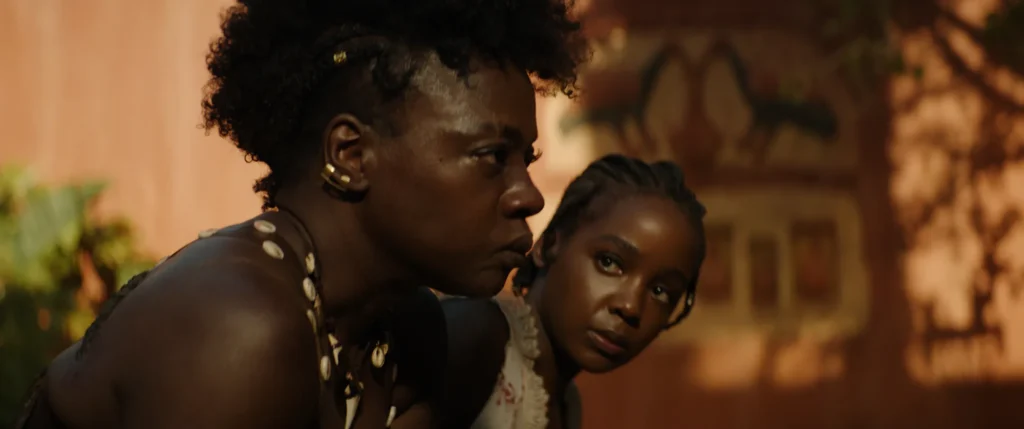
TIFF is delighted to announce the audience-pleasing In Conversation With… series. The In Conversation With… series features in-depth conversations with film artists, writers and cultural figures about their creative process. Packed with emotion and cultural significance, this series offers audiences a wide range of experiences. Additionally, TIFF is proud to announce that beginning August 25, TIFF Under-25 Members and TIFF Under-25 Free Pass holders may take advantage of the Under-25 Festival Rush Pass and purchase tickets in advance.
“Each year TIFF’s In Conversation With… section comes to life with unexpected surprises and moments,” said Anita Lee, Chief Programming Officer, TIFF. “Audiences who attend these events are always left with a truly unforgettable memory.”
This year’s In Conversation With… series connects audiences and film lovers around the world with some of the most talented artists working in film and television. The 2022 lineup includes award-winning actors and creators who have helped shape the discourse in the entertainment industry and who are presenting their highly-anticipated new films at the Festival.
Damien Chazelle
Academy Award–winning writer-director Damien Chazelle continually pushes the boundaries of storytelling. His feature films as director have earned a staggering 23 Oscar nominations and 10 wins. His electrifying Whiplash (TIFF ’14) took audiences and critics alike by storm, and his next, La La Land (TIFF ’16 People’s Choice Award winner), was a playful and heartfelt ode to creativity set against the backdrop of contemporary Los Angeles. First Man (a TIFF ’18 Gala Presentation) took audiences on an exhilarating ride into the space age and explored the personal story behind Neil Armstrong’s famous walk on the face of the moon. His highly-anticipated upcoming film Babylon, set in 1920s LA, features an ensemble cast led by Brad Pitt and Margot Robbie. Chazelle joins TIFF CEO Cameron Bailey to discuss his artistic drive and approach to storytelling.
Viola Davis & Gina Prince-Bythewood
The Woman King marks a new high point in both Viola Davis and Gina Prince-Bythewood’s remarkable careers. While Davis wowed fans in her role as whip-smart and charismatic defence lawyer Annalise Keating in the hit TV series How to Get Away With Murder (2014–2020), the Oscar, Emmy, and Tony Award winner has also built an impressive resume leading ensemble films such as Fences (2016), Widows (TIFF ’18), and, most recently, Ma Rainey’s Black Bottom (2020). Prince-Bythewood shot onto the film scene with her beloved feature directorial debut, Love & Basketball (2000), for which she also wrote the screenplay. Since her debut, she has proven her storytelling, writing, and directing prowess again and again, focusing on stories about Black women in particular with such influential films as The Secret Life of Bees (2008), Beyond the Lights (TIFF ’14), and the wildly inventive blockbuster action thriller The Old Guard (2020). As we host the World Premiere of The Woman King at this year’s Festival, Davis and Prince-Bythewood join us for an in-depth conversation about the journey of making this stunning, paradigm-shifting film, their creative collaboration, and their respective artistic paths in Hollywood.
Lee Jung-jae & Jung Woo-sung
To say that Korean storytellers are having a moment would be a gross understatement. After more than two decades producing some of the most exciting and inventive films and television series of our time, Korean filmmakers, creators, and actors are finally receiving due recognition beyond their home country, with the recent awards-season successes of Parasite (TIFF ’19), Minari (TIFF ’20), and Squid Game. This year, the Festival proudly presents the latest films from two Korean superstars: Jung Woo-sung’s A Man of Reason, and Lee Jung-jae’s Hunt, which stars both Lee and Jung. Since their collaboration on City of the Rising Sun (1999), both have been key players in Korean cinema and TV and have been instrumental in its international success, with Lee starring in such mega-hits as The Thieves (2012), Assassination (2015), and Squid Game (2021); and Jung leading the casts of blockbuster films such as the Festival hit The Good, the Bad, the Weird (2008), Cold Eyes (2013), and Steel Rain (2017). The two friends join us for an in-depth conversation about their respective careers, the unparalleled success of Korean filmmakers at home and abroad, and the process of stepping behind the camera as directors. Don’t miss this chance to hear from these two megastars in a rare joint public appearance in North America.
Eddie Redmayne
Eddie Redmayne is a master at connecting audiences with the emotional truth of his characters. Like many great performers, the theatre was his training ground. He won Tony and Olivier awards for his role as Mark Rothko’s assistant opposite Alfred Molina in Red (first produced in 2009 and directed by Michael Grandage, also at the Festival this year with My Policeman). Just this year he earned an Olivier award as the Emcee in the electrifying West End revival of Cabaret. On screen, Redmayne brought vulnerability to early and memorable roles in The Good Shepherd (2006) and as Marius Pontmercy in Les Miserables (2012). It was in The Theory of Everything (TIFF 2014) where he delivered his bravura performance as famed scientist Stephen Hawking. The role earned him an Academy Award for Best Actor and demonstrated his commitment to physically and emotionally inhabiting a character’s world. Redmayne was also a key member of the outstanding ensemble in The Trial of the Chicago 7 (2020). In his latest Festival feature, TIFF ’22 Special Presentation The Good Nurse, Redmayne steps into the shoes of Charles Cullen, a former RN who is regarded as one of the most prolific serial killers in history. This special event will consider how Redmayne, within each of these roles, mines the vast depths of a character to uncover and reveal that which drives them.
(Photo credit: Sony Pictures Canada)
#TIFF22: JASON REITMAN’S LIVE READ RETURNS FOR 2022 TORONTO INTERNATIONAL FILM FESTIVAL

The Toronto International Film Festival® today revealed that Jason Reitman’s Live Read will return to the Festival for an all-star event featuring a surprise cast. This year, the Montreal-born filmmaker will present a surprise screenplay in honour of his father, Ivan Reitman.
The live read is a unique event in which classic movie scripts are read by contemporary actors. A beloved film will be performed for audiences in a one-take read-through with Reitman narrating stage direction on Friday, September 9 at 3pm in the Visa Screening Room at the Princess of Wales Theatre. This year’s cast and film title will be announced in the coming weeks.
“The Jason Reitman Live Read delivers the pure nostalgia we love about our favourite movies, but charged with the excitement of live performance,” said Cameron Bailey, TIFF CEO. “This year we’re honoured to host one of his father’s movies for our audience. We can’t wait to see this event unfold!”
TIFF has previously welcomed Reitman and all-star casts for live table reads of Paul Thomas Anderson’s Boogie Nights, Alan Ball’s American Beauty, John Hughes’ The Breakfast Club, and William Goldman’s The Princess Bride.
Jason Reitman created Live Read in October 2011, in collaboration with Elvis Mitchell, for the film society of Los Angeles County Museum of Arts (LACMA). The hit series featured The Breakfast Club (Jennifer Garner and Aaron Paul), The Apartment (Steve Carell and Natalie Portman), The Princess Bride (Paul Rudd), Shampoo (Bradley Cooper and Kate Hudson), The Big Lebowski (Seth Rogen), and Reservoir Dogs, which featured an all-African American cast including actors Laurence Fishburne and Terrence Howard.
For more information, please see tiff.net. Tickets to Jason Reitman’s Live Read 2022 will be available to purchase starting September 3 for TIFF Members and September 5 for the public, subject to availability.
#TIFF22: TIFF ANNOUNCE RISING STARS AND FILMMAKER LAB PARTICIPANTS
TIFF announced today this year’s talent development programmes and participants, including TIFF Rising Stars, TIFF Filmmaker Lab, TIFF Series Accelerator, the CHANEL Women Writers’ Network Micro Talent Summit, TIFF Micki Moore Residency, and TIFF Talent Accelerator.
“There’s an explosion of new talent telling new stories and changing the creative landscape,” said Anita Lee, Chief Programming Officer, TIFF. “By providing participants with mentorship from industry professionals, access to insider knowledge, and tools to develop their projects, TIFF aims to play a key role in supporting the most exciting new voices today who will shape the industry of the future. We’re thrilled to add two new initiatives this year ― TIFF Series Accelerator and the CHANEL Women Writers’ Network Micro Talent Summit ― to expand our support to even more creators.”
“Our Talent Development programmes make space for promising filmmakers and on-screen talent from around the world with diverse approaches to meet ― paving the way for innovation, mentorship, and collaboration ― all while fostering a sense of community and a safe space to take creative risks,” said Jane Kim, Industry Programming Producer.
TIFF RISING STARS
The TIFF Rising Stars programme provides actors on the verge of making big waves on the international stage with an exclusive opportunity to experience and engage with the Festival. They will have access to professional development sessions, industry events, red carpets, mentorship, and valuable networking opportunities. All Rising Stars are featured in films in TIFF 2022 Official Selection. IMDbPro is proud to be the Media Partner for TIFF Rising Stars. The 2022 TIFF Rising Stars participants are:
Natalia Aranguren (Colombia/Canada), So Much Tenderness – TIFF Share Her Journey Fellow
Gabriel LaBelle (USA/Canada), The Fabelmans
Isaiah Lehtinen (Canada), I Like Movies
Carmen Madonia (Canada), Something You Said Last Night – TIFF Share Her Journey Fellow
Thuso Mbedu (South Africa), The Woman King – TIFF Share Her Journey Fellow
Joshua Odjick (Canada), Bones of Crows
Aaron Pierre (United Kingdom), Brother
Choi Seung-yoon (South Korea), Riceboy Sleeps – TIFF Share Her Journey Fellow
Ty Simpkins (USA), The Whale
Please see here for full bios and more information on the Rising Stars.
TIFF FILMMAKER LAB
TIFF Filmmaker Lab provides 20 Canadian and international directors with an exceptional professional development experience at the Toronto International Film Festival and an introduction to the global community of filmmaking. Over a five-day period, participants will have the opportunity to interact with and learn from internationally acclaimed mentors and programme governors including Ramin Bahrani, Deepa Mehta, and Roger Ross Williams. The participants will also be joined by guest speakers that include Official Selection filmmakers Sally El Hosaini, Nikyatu Jusu, Cristian Mungiu, and Clement Virgo. Fellowships generously sponsored by Share Her Journey and For the Love of Film donors ensure that programme participants are given additional financial support to help them fulfill their creative vision. The 2022 TIFF Filmmaker Lab participants are:
Zhannat Alshanova (Kazakhstan) – TIFF Canada Goose Fellow
Nadine Gomez (Canada) – TIFF Jennifer A. Tory Legacy Fellow
Sis Gurdal (Turkey) – TIFF Every Story Fellow
Jayden Rathsam Hua (Australia)
Zarrar Kahn (Canada/Pakistan)
Aaron Lucas (Australia/Germany)
Miki Magasiva (New Zealand)
Isabelle Mecattaf (Lebanon/France) – TIFF Every Story People’s Fellow
Araya Mengesha (Canada)
Sophia Mocorrea (Germany/Argentina) – TIFF Canada Goose Fellow
Carol Nguyen (Canada) – TIFF Talent Accelerator Fellow
Olive Nwosu (Nigeria/United Kingdom) – TIFF Share Her Journey Fellow in honour of Viola Desmond
Naishe Nyamubaya (Zimbabwe)
Melanie Oates (Canada) – TIFF Canada Goose Fellow
Mahsa Razavi (Canada/Iran) – TIFF Talent Accelerator Fellow
Caleb Ryan (Canada)
Gavin Seal (Canada)
J Stevens (Canada) – TIFF Every Story Fellow
Nesaru Tchaas (USA)
D.W. Waterson (Canada) – TIFF Every Story Fellow
#TIFF22: ADDITIONAL “TIFF INDUSTRY SELECTS” TITLES ANNOUNCED
Rounding out the 2022 Toronto International Film Festival lineup is TIFF Industry Selects, a curated selection of 10 audience friendly l films beyond the Official Selection that are available for worldwide acquisition. These films will each have an in-person screening during the Festival for accredited buyers and industry professionals..
“We’ve worked to build a selection that will appeal to buyers as well as audiences,’’ said Norm Wilner, Programmer, Digital Releasing and Industry Selects. “We aim to celebrate new voices and showcase international talent, in line with the Festival’s global spirit.”
“We’re delighted to present these director-driven and audience-engaging sales titles from around the world to international buyers who rely on our festival to strengthen their upcoming film slate,” added Geoff Macnaughton, Senior Director, Industry and Theatrical. “Fostering sales at the Festival is a key part of our mandate, and the TIFF Industry Selects distinction is one of our newer initiatives that helps to support that mission.”
TIFF 2022 Industry Selects
Blue Jean (Georgia Oakley, UK)
In Thatcher’s England, a closeted physical education teacher (Rosy McEwen) wrestles over whether to risk her career ― and her safety ― by reaching out to a student (Lydia Page) wrestling with her own identity.
Driving Mum (Hilmar Oddsson, Iceland)
A middle-aged man (Thröstur Leó Gunnarsson) tries to honour his mother’s dying wish to be buried in her home in a remote Icelandic village by propping her up in the back seat of his car and driving her there.
Dreamin’ Wild (Bill Pohlad, US)
In 1979, teenagers Donnie and Joe Emerson recorded an album on their family’s Washington State farm. In 2012, the world caught up to it ― forcing Donnie (Casey Affleck) to reckon with his first failed run at stardom. Walton Goggins, Zooey Deschanel, Chris Messina, and Beau Bridges co-star.
Door Mouse (Avan Jogia, CAN)
A comic-book creator (Hayley Law, Riverdale) working at a burlesque club enlists the help of a colleague (Keith Powers, The Tomorrow War) to figure out what’s behind the disappearances of young women in their circle in this oddball neo-noir.
Harka (Lotfy Nathan, US/FRA/TUN/LUX/BLG)
Ali (Adam Bessa), a young Tunisian who makes a living bootlegging gasoline, finds himself pushed to the limit when his father dies suddenly, leaving him responsible for the care of his two younger sisters in the first dramatic feature from the award-winning director of 12 O’Clock Boys.
The Listener (Steve Buscemi, US)
In the early months of the pandemic, a young helpline volunteer (Tessa Thompson, who also produced) spends her shift offering a compassionate ear to people (Logan Marshall-Green, Margaret Cho, Blu del Barrio, Alia Shawkat, and more) in their darkest hours.
Kings of the World (Laura Mora, COL/LUX/FRA/MEX/NOR)
When one of them discovers he has an ancestral claim to a patch of land under a restitution agreement, five street kids from Medellin leave the city to start a new life in the country, only to find absolutely nothing is easy for five young men of no means in modern Colombia.
Klokkenluider (Neil Maskell, UK)
In this extremely bleak comedy, two security operatives (Tom Burke, Roger Evans) escort a British whistleblower (Amit Shah) and his partner (Sura Dohnke) to a remote country home in Belgium, where they await the arrival of the high-level journalist they hope will share their secret with the world.
Salt Lake (Kasia Rosłaniec, POL/SWE)
At the age of 64, Helena (Katarzyna Butowtt) announces her intention to pursue sexual experiences with other men ― much to the shock of her husband of 40 years (Krzysztof Stelmaszyk). A powerful exploration of late-life desire and emancipation.
Without Her (Arian Vazirdaftari, IRA)
As she prepares to emigrate to Denmark from Iran, Roya (Tannaz Tabatabaei) meets a strange, silent girl (Shadi Karamroudi) and decides to take her in, introducing her to her husband and children ― entirely unaware of the existential threat she’s welcomed into her home.
**Fun fact: Three of these films were directed by actors!
For advertising opportunites please contact mrwill@mrwillwong.com