


Updated reviews including: BAD LIEUTENANT: TOKYO, ALL THAT SHE WANTS, MISTY GREEN, WOMAN UNKNOWN, INK, THE LAST LIVING PICKPOCKET IN NEW YORK, MINOTAUR and more.
https://www.mrwillwong.com/category/tiff/
Hearing Chad Smith from the Red Hot Chili Peppers to walk carpet tonight for NEIL PEART: NO ONE'S DISCIPLE, and potentially other notables. #tiff26
#tiff26: Updated Reviews include ELSINORE, BABIES, JOSEPHINE and WILD HORSE NINE.
https://www.mrwillwong.com/category/tiff/
#tiff26: Updated reviews include CLUB KID, THE SURGEON, THE DEBUT, I PLAY ROCKY and COWARD.
https://www.mrwillwong.com/category/tiff/

9,906

Mr. Will Wong
Official Fan Page for Toronto Entertainment & Food Personality Mr. Will Wong, multi-award winning Blogger and Photographer.
X: @mrwillw
Instagram +TikTok: mrwillwong

immerse yourself into the world of WILDWOOD at this exhibit from Laika, at Portland Square till 9.19.26. ![]()
![]() WILDWOOD in theatres 10.23.26 via VVS Films
WILDWOOD in theatres 10.23.26 via VVS Films![]()
![]() #tiff #torontointernationalfilmfestival #TIFF26 #wildwood #laika
#tiff #torontointernationalfilmfestival #TIFF26 #wildwood #laika
#tiff26: One of the Festival's biggest breakouts, Anthony Ippolito, who plays Sylvester Stallone in Peter Farrelly's I PLAY ROCKY. A real MVP doing the work going out there and making interactions with new fans. People literally were clapping for him. This is how you do it. 🥊![]()
![]() Pleased to read a lot of praise, a real crowdpleaser. Will it be People's Choice? Thrilled to see it later this week!
Pleased to read a lot of praise, a real crowdpleaser. Will it be People's Choice? Thrilled to see it later this week!![]()
![]() #anthonyippolitp #kikiseto #PeterFarrelly #IPlayRocky
#anthonyippolitp #kikiseto #PeterFarrelly #IPlayRocky
#tiff26: Day Three including:![]()
![]() •Cynthia Erivo at tiff for PRIMA FACIE
•Cynthia Erivo at tiff for PRIMA FACIE![]() •Margaret Qualley, Aaron Pierre and Gabriel Basso at tiff for LOVE OF YOUR LIFE
•Margaret Qualley, Aaron Pierre and Gabriel Basso at tiff for LOVE OF YOUR LIFE![]() •Anna Kendrick and Seth Rogen at tiff for BABIES
•Anna Kendrick and Seth Rogen at tiff for BABIES![]() •Son Suk-ku and Moon Choi at tiff for Bedford Park
•Son Suk-ku and Moon Choi at tiff for Bedford Park![]() •Anthony Ippolito, Kiki Seto, Stephan James and Peter Farrelly at tiff for I PLAY ROCKY
•Anthony Ippolito, Kiki Seto, Stephan James and Peter Farrelly at tiff for I PLAY ROCKY![]() •Lily-Rose Depp, Léa Seydoux and Kelvin Harrison Jr. at tiff for ALPHA GANG
•Lily-Rose Depp, Léa Seydoux and Kelvin Harrison Jr. at tiff for ALPHA GANG![]()
![]() ...and several more!
...and several more!![]()
![]() Brought to you by SoHo Hotel Toronto, the preferred place to stay at tiff!
Brought to you by SoHo Hotel Toronto, the preferred place to stay at tiff!![]()
![]() #torontointernationalfilmfestival #tiff
#torontointernationalfilmfestival #tiff
Have you met Margaret Qualley's dog Smokey?![]()
![]() #TIFF25 #torontointernationalfilmfestival #TIFF26 #MargaretQualley #LoveOfYourLife loveofyourlife
#TIFF25 #torontointernationalfilmfestival #TIFF26 #MargaretQualley #LoveOfYourLife loveofyourlife
The Weight Loss Paradox: How RAD-140 Affects Sarcopenia and Metabolic Health
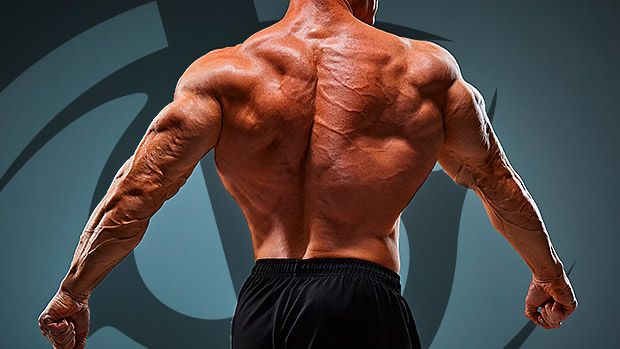
When Canadians consider weight loss protocols, the conversation typically revolves around caloric restriction, cardiovascular exercise, and metabolic rate. However, there is a hidden danger in every fat loss journey that rarely gets discussed: sarcopenia—the loss of muscle mass.
For researchers exploring RAD-140 (Testolone) in 2026, understanding the complex relationship between this potent compound, muscle preservation, and metabolism is critical. This article examines RAD-140 through a unique lens: not merely as an anabolic compound, but as a potential metabolic tool with significant implications for body composition research.
Understanding Sarcopenia: The Hidden Cost of Weight Loss
Sarcopenia, derived from Greek meaning “poverty of flesh,” refers to the progressive loss of skeletal muscle mass and strength. While commonly associated with aging, sarcopenia is also an unintended consequence of aggressive caloric restriction.
When the body enters a sustained caloric deficit, it does not discriminate between fat and muscle for energy. Research indicates that up to 25% of weight lost through dieting alone can come from lean muscle tissue. This metabolic reality creates a paradox: the very act of trying to improve body composition can actually compromise the metabolic machinery needed to maintain that improvement.
Muscle tissue is metabolically active. Each pound of muscle burns approximately 6-7 calories per day at rest. When muscle mass decreases, resting metabolic rate follows suit. This is the classic “weight loss plateau” phenomenon—the body becomes more efficient at surviving on fewer calories, making further fat loss progressively difficult.
For researchers studying body recomposition, the ideal scenario is clear: maximize fat loss while preserving—or even building—lean muscle tissue. This is precisely where RAD-140 enters the conversation.
RAD-140 and Muscle Preservation: The Mechanistic Connection
RAD-140 (Testolone) was originally developed by Radius Health, Inc. for therapeutic applications including muscle wasting disorders and breast cancer. Its mechanism of action involves selective binding to androgen receptors in skeletal muscle and bone tissue, stimulating anabolic gene transcription that enhances protein synthesis and nitrogen retention.
What makes RAD-140 particularly relevant to the sarcopenia discussion is its demonstrated ability to preserve lean mass even in catabolic states. A 2025 study published in ScienceDirect examining RAD-140’s impact on frailty in aging mice found that RAD-140 treated male mice showed significantly preserved lean mass compared to controls. The study also noted lower serum interleukin-6 (IL-6) levels in treated males, suggesting an anti-inflammatory effect that may further protect muscle tissue during metabolic stress.
This preservation effect has direct implications for weight loss research. When the body is in a caloric deficit, it exists in a catabolic state—breaking down tissue for energy. RAD-140’s anabolic signaling may help counterbalance this catabolic pressure, allowing for fat mobilization while skeletal muscle remains protected.
Differential Muscle Response: Not All Fibers Are Equal
Fascinatingly, RAD-140 does not affect all muscles equally. A 2024 study presented at the American College of Sports Medicine annual meeting investigated RAD-140’s effects on different muscle groups in rats. Researchers found that RAD-140 treatment significantly increased cross-sectional area in the plantaris muscle—a muscle involved in standing and locomotion—while the tibialis anterior remained unchanged.
This differential response suggests that muscle recruitment patterns, fiber type composition, and functional load may influence how RAD-140 affects specific muscle groups. For researchers designing weight loss protocols, this raises important questions: Which muscles are most critical to preserve during fat loss? Should preservation strategies target specific muscle groups?
The plantaris contains a higher proportion of fast-twitch (Type II) fibers, which are typically more responsive to anabolic stimuli but also more susceptible to atrophy during caloric restriction. RAD-140’s apparent affinity for these fibers may make it particularly valuable for preserving explosive strength and metabolic capacity during cutting phases.
The Metabolic Ripple Effect: Beyond Simple Thermodynamics
The relationship between muscle preservation and metabolism extends far beyond the basic calories-burned-per-pound calculation. Skeletal muscle serves as the body’s primary glucose disposal site. When muscle mass decreases, insulin sensitivity often follows suit.
This creates another metabolic paradox: rapid weight loss through extreme dieting can actually impair the body’s ability to handle carbohydrates efficiently, potentially setting the stage for future fat regain. By preserving muscle tissue during caloric restriction, RAD-140 may help maintain—or even improve—insulin sensitivity throughout the weight loss process.
Furthermore, muscle tissue acts as an endocrine organ, secreting myokines that influence systemic metabolism. Interleukin-6, the same inflammatory marker reduced in RAD-140 treated mice, plays complex roles in metabolism. While chronically elevated IL-6 is associated with insulin resistance and inflammation, acute IL-6 release from contracting muscle actually promotes fat oxidation. RAD-140’s modulation of inflammatory markers may thus have nuanced effects on metabolic health during weight loss.
The Fat Loss Evidence: What Research Actually Shows
It is important to distinguish between direct and indirect fat loss effects when evaluating RAD-140. Unlike Cardarine (GW-501516), which directly activates PPARδ pathways involved in fat metabolism, RAD-140 does not appear to possess direct lipolytic properties. Instead, its fat loss effects are primarily indirect, mediated through:
- Preserved metabolic rate via muscle retention
- Increased energy expenditure during physical activity due to improved strength and endurance
- Improved nutrient partitioning favoring muscle over fat storage
Clinical data from human trials, while limited, supports modest body composition improvements. In breast cancer trials, RAD-140 demonstrated an acceptable safety profile at various doses, with some patients experiencing decreased appetite and weight—though these were classified as adverse events in the therapeutic context.
Anecdotal reports from researchers suggest that RAD-140 cycles typically produce “dry” gains characterized by increased vascularity and muscle hardness without significant water retention. This visual leanness may create the perception of fat loss even when scale weight remains stable.
Sex-Specific Considerations: A Critical Variable
One of the most important findings from recent research concerns RAD-140’s sex-specific effects. The 2025 mouse study revealed that while male mice experienced significant benefits in lean mass preservation, bone mineral density, and inflammatory markers, female mice showed no such improvements. In fact, other research has suggested that RAD-140 may negatively impact skeletal muscle adaptation and frailty status in female mice.
This sexual dimorphism has profound implications for research protocols. Female researchers exploring RAD-140 for weight loss purposes may not experience the same muscle-preserving benefits as males, potentially altering the risk-benefit calculation. The mechanism likely relates to baseline androgen levels and androgen receptor distribution, which differ significantly between sexes.
For female researchers, alternative compounds such as low-dose Ostarine (MK-2866) or ACP-105 may offer more predictable muscle-preserving effects during caloric restriction. Ostarine, in particular, has extensive clinical validation for muscle preservation in wasting conditions and demonstrates a more favorable tolerability profile.
The Suppression Dilemma: Trading Muscle for Hormones
No discussion of RAD-140 and metabolism would be complete without addressing the elephant in the room: testosterone suppression. RAD-140’s potent anabolic effects come at a cost—significant downregulation of the hypothalamic-pituitary-gonadal (HPG) axis.
For male researchers, this means that while RAD-140 may preserve muscle during a cut, it simultaneously suppresses natural testosterone production. Low testosterone during a caloric deficit can exacerbate lethargy, reduce libido, and impair recovery—all factors that may undermine the weight loss effort.
This suppression creates a strategic dilemma. The muscle-preserving benefits of RAD-140 must be weighed against the metabolic consequences of temporarily impaired hormonal status. This is why responsible research protocols include:
- Comprehensive pre and post bloodworkto establish baseline hormone levels and track changes
- Structured post-cycle therapy (PCT)to restore natural production
- Cycle lengths limited to 6-8 weeks to minimize prolonged suppression
- Liver support compounds such as TUDCA or NAC, as RAD-140 has been associated with liver enzyme elevations in clinical trials
Practical Implications for Canadian Researchers
For those planning to buy RAD-140 in Canada for weight loss research, several practical considerations emerge from the current evidence:
Timing Matters
The differential muscle response noted in research suggests that RAD-140 may be most effective when combined with targeted training. Since the plantaris muscle responded while the tibialis anterior did not, researchers should consider emphasizing exercises that recruit muscles with favorable fiber type compositions.
Caloric Deficit Design
Extreme caloric restriction may overwhelm RAD-140’s muscle-sparing effects. Moderate deficits (300-500 calories below maintenance) likely allow RAD-140 to exert its anabolic effects more effectively than crash dieting approaches.
Stack Considerations
Some researchers combine RAD-140 with Cardarine (GW-501516) for cutting cycles, leveraging RAD-140’s muscle preservation with Cardarine’s direct fat metabolism effects. Others incorporate MK-677 for its growth hormone secretagogue effects, though this requires caution due to potential insulin resistance and visceral fat accumulation.
Source Quality
The metabolic precision required for effective weight loss research demands compounds of known purity and consistent dosing. This is why domestic sourcing through vendors like NEOSARMs—with their 99% purity guarantee and tablet formulations—removes variables that could compromise research validity.
Conclusion: A Nuanced Tool for Complex Research
RAD-140’s role in weight loss research is neither simple nor direct. It does not burn fat through magical mechanisms. Instead, it offers something arguably more valuable: the potential to preserve the metabolically active tissue that makes sustainable fat loss possible.
By protecting skeletal muscle during caloric restriction, RAD-140 may help researchers avoid the sarcopenia trap that sabotages so many weight loss efforts. The preserved muscle mass maintains metabolic rate, supports insulin sensitivity, and provides the physical capacity for continued training throughout the cutting phase.
However, these potential benefits come with significant responsibilities. Hormonal suppression, liver stress, and sex-specific response patterns must all be factored into research protocols. The compound demands respect, preparation, and a comprehensive approach that includes bloodwork, support supplements, and proper PCT.
For Canadian researchers willing to approach RAD-140 with the seriousness it deserves, it remains one of the most fascinating tools available for studying the complex relationship between muscle mass, metabolism, and body composition.
Sources
(2025). “RAD-140 vs Ostarine (MK-2866): Best SARM for Beginners?” https://swolverine.com/en-au/blogs/blog/rad-140-vs-ostarine-mk-2866-best-sarm-for-beginners
Heinze-Milne, S., et al. (2025). “The impact of a selective androgen receptor modulator (RAD140) on frailty and underlying mechanisms in older male and female C57Bl/6 mice.” ScienceDirect. https://www.sciencedirect.com/science/article/pii/S0047637425000302
Middleton, R.C., Puskas, J., Lees, S.J., Otis, J.S. (2024). “Differential Effects Of RAD140 Treatment On Rat Tibialis Anterior And Plantaris Muscle Cross-Sectional Areas.” Medicine & Science in Sports & Exercise, 56(10S): 422. https://journals.lww.com/acsm-msse/fulltext/2024/10001/differential_effects_of_rad140_treatment_on_rat.962.aspx
LoRusso, P., et al. (2022). “A First-in-Human Phase 1 Study of a Novel Selective Androgen Receptor Modulator (SARM), RAD140, in ER+/HER2- Metastatic Breast Cancer.” Clinical Breast Cancer, 22(1): 67-77. https://www.clinicalbreastcancer.com/article/S1526-8209(21)00207-8/fulltext
Greenfield, B. (2017). “A New & Potent SARMs Stack For Muscle-Building, Fat-Loss & Anti-Aging: How To Use MK-677 and RAD-140.” com. https://bengreenfieldlife.com/article/biohacking-articles/how-to-use-mk-677-and-rad-140/
Brown, A.M., Ganjayi, M.S., Baumann, C.W. (2023). “RAD140 (Testolone) negatively impacts skeletal muscle adaptation, frailty status and mortality risk in female mice.” Clinical and Experimental Pharmacology and Physiology, 50(12): 973-983. https://pubmed.ncbi.nlm.nih.gov/37758180/
Ladna, M., et al. (2023). “Idiosyncratic drug-induced liver injury related to use of novel selective androgen receptor modulator RAD140 (Testalone): a case report.” Journal of Medical Case Reports, 17(1): 134. https://pubmed.ncbi.nlm.nih.gov/36978171/
Nebula Genomics. (2021). “RAD 140 review – A lab drug may one day build muscle?” https://nebula.org/blog/rad-140-review/
National Institutes of Health. (2025). “Search Results: RAD140.” PubMed. https://pubmed.ncbi.nlm.nih.gov/?term=rad140
Sonwu Biotech. (2025). “SARMs: Real Uses Of RAD-140.” https://www.sonwuapi.com/news/sarms-real-uses-of-rad-84382122.html
Share This Article
Related Posts
Leave a Reply
For advertising opportunites please contact mrwill@mrwillwong.com